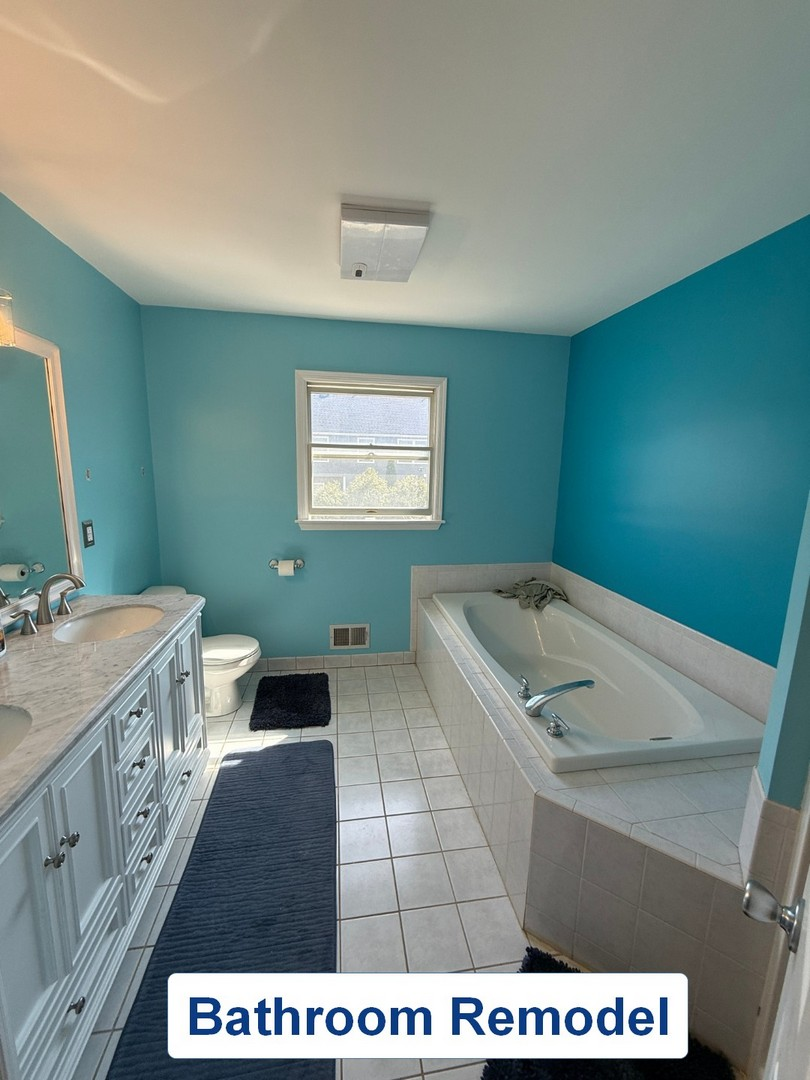
A tub-to-shower conversion can be one of the most practical bathroom updates a homeowner can make. For many people, the bathtub is rarely used, difficult to step into, or simply no longer fits how the bathroom is used every day.
Replacing a tub with a shower can improve comfort, accessibility, and the overall feel of the bathroom. But like any remodeling decision, it helps to think through whether it makes sense for your home, your needs, and your long-term plans.
1. When the bathtub is not being used
Many homes have bathrooms with tubs that rarely get used as tubs. If the space is mostly used for quick showers, the tub may be taking up space without adding much value for the people living there.
A tub-to-shower conversion can make the bathroom feel more open and easier to use, especially in smaller bathrooms where every inch matters.
2. When safety and accessibility are a concern
Stepping over the side of a bathtub can become difficult or unsafe, especially for older adults, people recovering from surgery, or anyone with mobility concerns.
A shower with a lower threshold can make entry and exit easier. Depending on the project, options may include grab bars, a handheld shower head, seating, better lighting, and a layout that is easier to move around in.
The goal is not just to make the bathroom safer. It is to make it more comfortable and practical without making it feel clinical.
3. When the bathroom needs a cleaner, more modern layout
A tub-to-shower conversion can also be a design improvement. Removing an old tub and replacing it with a clean shower base, wall surround, tile, glass door, curtain rod, or updated fixtures can change the entire feel of the bathroom.
This can be a good option when the bathroom is dated, hard to clean, or showing signs of age around the tub area.
4. When water damage or old materials are already a problem
If the tub area has failing caulk, soft walls, cracked tile, loose surround panels, or signs of water damage, it may be a good time to consider whether replacing the entire tub/shower area makes more sense than patching the same problem again.
Water problems should be taken seriously. A remodel gives the opportunity to inspect what is behind the visible surfaces and correct issues before installing new finish materials.
5. When you plan to stay in the home
A tub-to-shower conversion can be especially worthwhile if you plan to stay in the home and want the bathroom to work better for everyday life.
Instead of designing only for resale, many homeowners choose to remodel around comfort, safety, cleaning, storage, and long-term use. A bathroom that works well every day can make a big difference.
Things to consider before converting a tub to a shower
Before starting, it helps to think through a few questions:
- Is this the only bathtub in the house?
- Will the shower use the existing drain and plumbing locations?
- Do you want a curtain, sliding door, or glass enclosure?
- Do you need grab bars or blocking in the walls for future grab bars?
- Do you prefer tile, a wall surround, or another waterproof wall system?
- Are there signs of water damage that need to be addressed?
The right answer depends on the home, the bathroom, and the people using it.
Planning a tub-to-shower conversion in Northern New Jersey?
DiGiorgio Contracting LLC provides licensed, insured, and bonded home improvement services for homeowners in Newton, Sussex County, and the surrounding Northern New Jersey area.
If you are considering a tub-to-shower conversion, accessibility improvement, or bathroom remodel, the first step is a clear conversation about your goals, layout, materials, and expectations.
Ready to talk about your project?
Request an Estimate